Blog
Award-Winning Interior Design: Key Elements for Historic Properties
When I think about what truly sets award-winning interior design apart, especially in the context of historic properties, I find it’s a delicate balance of honoring the past while embracing the present. These spaces tell stories through their architecture, and the interiors must echo that narrative with grace and sophistication. Over the years, I’ve had the privilege of working on projects where every detail mattered—from the grandest chandelier to the subtlest texture on a wall. Today, I want to share the key elements that make interior design not just beautiful, but truly exceptional in historic homes and estates.
Embracing the Character of Historic Properties
Historic properties come with a unique charm that modern buildings often lack. Their architectural details—be it intricate moldings, original hardwood floors, or grand staircases—are treasures that deserve respect. When designing interiors for these homes, I always start by celebrating these original features rather than masking them.
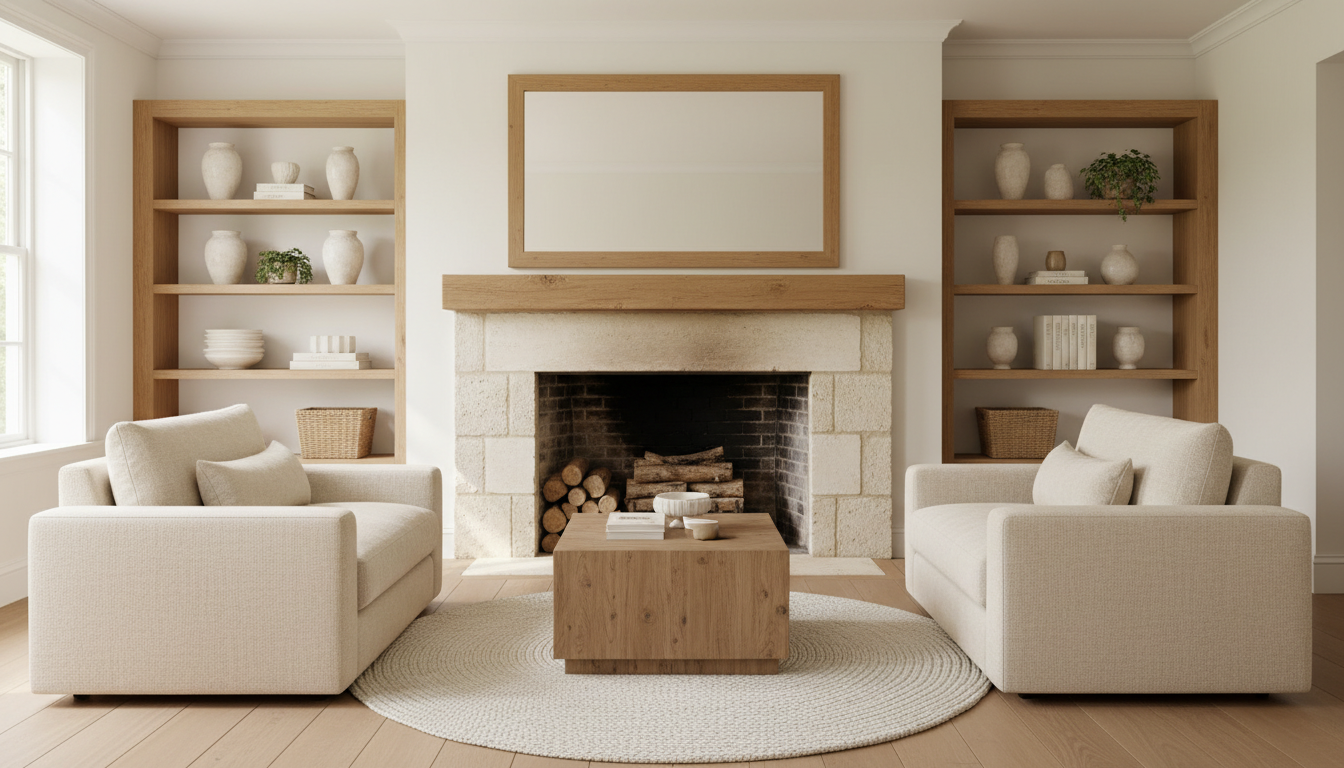
For example, preserving exposed brick walls or restoring antique fireplaces can create a stunning focal point. These elements provide a rich backdrop that modern furnishings can complement rather than compete with. It’s about creating harmony between old and new, where every piece feels intentional.
Practical tip: Use a neutral color palette to highlight architectural details. Soft creams, warm grays, and muted earth tones allow historic features to shine without overwhelming the space.
Balancing Modern Comfort with Timeless Elegance in Historic Properties
While historic homes have undeniable charm, they must also meet the demands of contemporary living. This means integrating modern amenities and comfort without compromising the home’s character. I find that the best designs are those that blend technology and luxury seamlessly.
For instance, installing underfloor heating beneath original hardwood floors keeps the space cozy without visible radiators. Smart lighting systems can be hidden within classic fixtures, preserving the aesthetic while offering convenience. Furniture choices also play a crucial role—opting for plush, inviting pieces that respect the scale and style of the room.
Actionable advice: Choose custom-made furniture that echoes the period style but offers modern ergonomics. This approach ensures comfort and authenticity coexist beautifully.
The Art of Layering Textures and Materials
One of my favorite ways to add depth and warmth to a historic interior is through layering textures and materials. This technique breathes life into a room, making it feel curated and lived-in rather than staged.
Think of combining rich velvet drapes with handwoven rugs, or pairing polished marble surfaces with rustic wooden beams. These contrasts create visual interest and tactile pleasure. In historic properties, this layering also helps bridge the gap between eras, blending traditional craftsmanship with contemporary design elements.
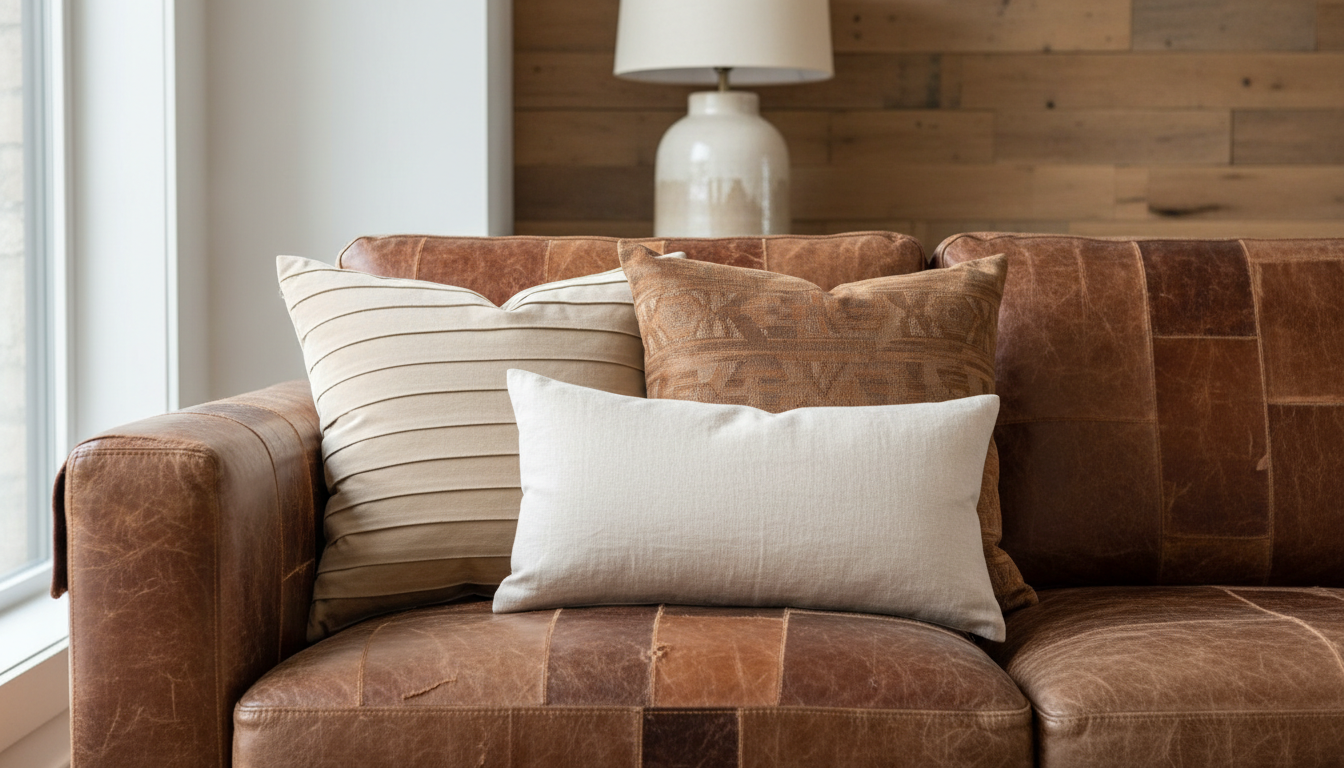
Example: In a recent project, I layered silk cushions on a vintage leather sofa, complemented by a distressed oak coffee table. The result was a space that felt luxurious yet inviting.
Lighting: The Unsung Hero of Award-Winning Interior Design
Lighting can transform a space from ordinary to extraordinary. In historic properties, it’s especially important to highlight architectural features while creating a warm, welcoming atmosphere. I always recommend a layered lighting plan that includes ambient, task, and accent lighting.
Chandeliers and sconces with classic designs can be paired with recessed LED lights to provide flexibility. Accent lighting can draw attention to artwork, moldings, or unique architectural details. Dimmers are essential to adjust the mood throughout the day and evening.
Pro tip: Use warm light bulbs to enhance the natural tones of wood and stone, creating a cozy ambiance that invites relaxation.
Personalization: Making Historic Spaces Truly Yours
No matter how grand or historic a property is, it should ultimately reflect the personality and lifestyle of its owner. Personalization is the final, crucial element that elevates interior design from beautiful to unforgettable.
Incorporating family heirlooms, bespoke art pieces, or custom-designed furniture adds layers of meaning. I encourage clients to think about how they want to live in the space—whether it’s hosting elegant dinners, enjoying quiet mornings, or showcasing a prized collection.
This thoughtful approach ensures that every room feels authentic and welcoming, not just impressive.
Throughout my career, I’ve seen how these principles come together in award winning interior design projects that transform historic properties into timeless masterpieces. It’s a journey of respect, creativity, and meticulous attention to detail.
If you’re considering a project in a historic home or estate, remember that the key lies in balancing preservation with innovation, layering textures and lighting thoughtfully, and infusing the space with your unique story. When done right, the result is a home that honors its past while embracing the future with elegance and warmth.
Creating a Digital Equestrian Property Design: Crafting an Online Equine Residence
Designing an equestrian property is an art form that blends functionality with elegance, comfort with practicality. When this vision moves into the digital realm, the possibilities expand exponentially. I have always been fascinated by how technology can elevate traditional spaces, especially in luxury equestrian estates. Creating a digital equestrian property design allows us to visualize, refine, and perfect every detail before a single brick is laid or a fence is built.
In this post, I want to share insights and practical advice on creating an online equine residence that reflects sophistication, upholds the highest standards of horse care, and offers a seamless experience for owners and visitors alike. Whether you are planning a new build or enhancing an existing property, these ideas will help you bring your vision to life with confidence and style.
Embracing Digital Equestrian Property Design for Luxury Estates
The first step in creating a digital equestrian property design is understanding the unique needs of both horses and humans. Luxury equestrian properties are not just about stables and paddocks; they are about creating an environment where every element serves a purpose and contributes to an overall aesthetic.
When I approach a project, I focus on these key areas:
- Spatial planning: Ensuring ample space for stables, arenas, turnout areas, and living quarters.
- Flow and accessibility: Designing pathways and access points that facilitate easy movement for horses, staff, and guests.
- Safety and comfort: Incorporating features like non-slip flooring, proper ventilation, and natural lighting.
- Aesthetic harmony: Blending the equestrian facilities with the surrounding landscape and architecture.
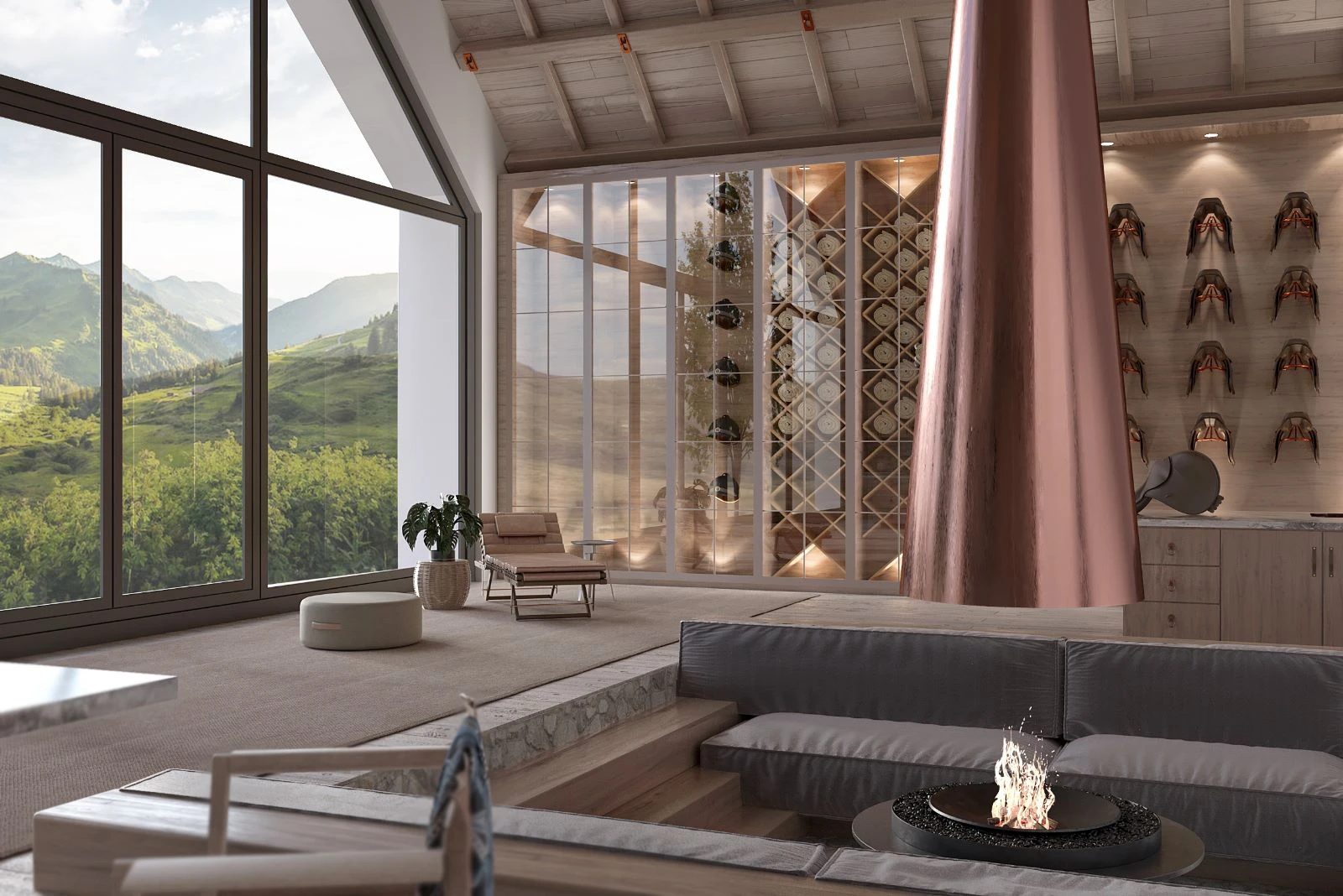
Using digital tools, we can create detailed 3D models that allow clients to walk through their future property virtually. This immersive experience helps identify potential issues early and explore different design options effortlessly.
Key Elements of a Successful Online Equine Residence
Creating an online equine residence requires attention to detail and a deep understanding of equine behavior and care. Here are some essential components we always prioritize:
Stables and Barns
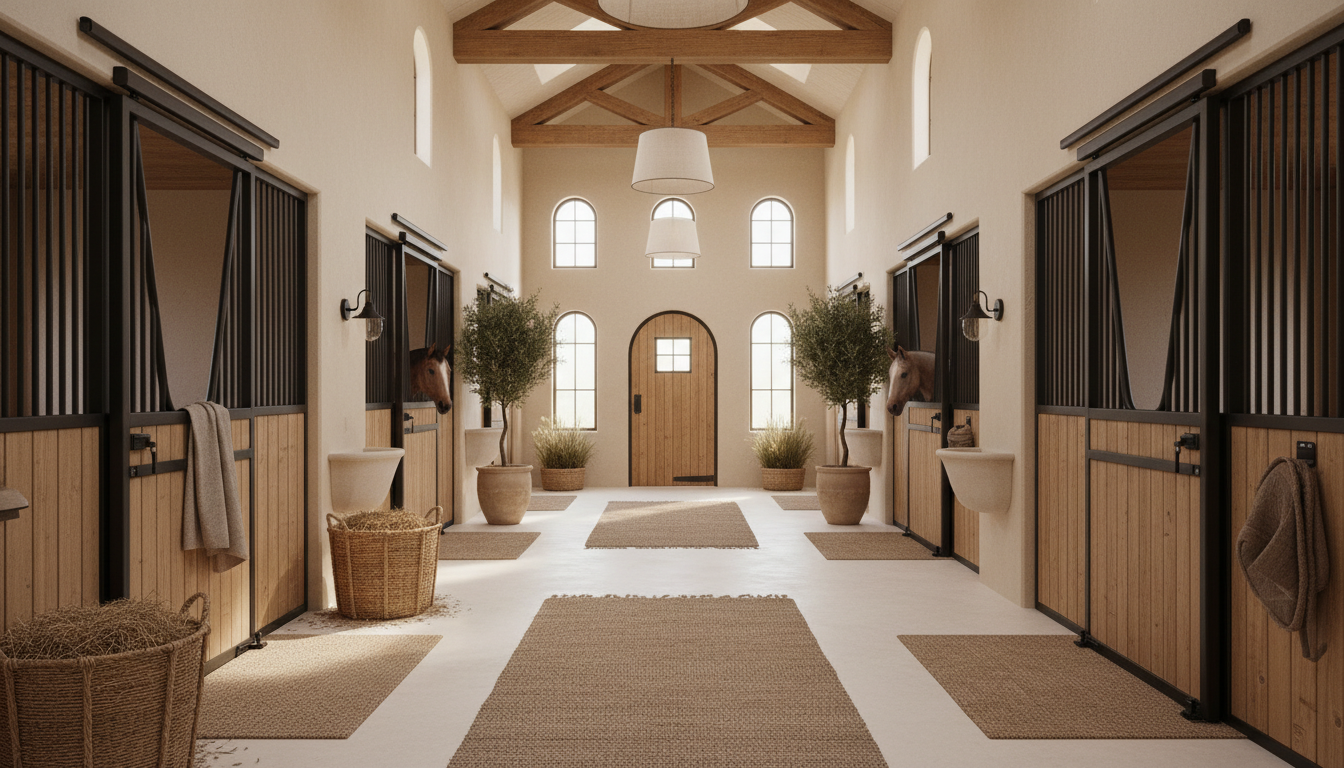
The heart of any equestrian property, stables must be designed for both horse welfare and ease of maintenance. Digital design tools enable me to experiment with stall sizes, aisle widths, and storage solutions to optimize functionality.
Arenas and Training Areas
Whether indoor or outdoor, arenas should offer excellent footing and drainage. Through digital simulations, we can test different materials and layouts to ensure safety and performance.
Pastures and Turnout Spaces
Horses need ample space to roam and graze. Designing these areas digitally helps balance size, fencing, and natural features such as shade trees and water sources.
Living Quarters and Guest Facilities
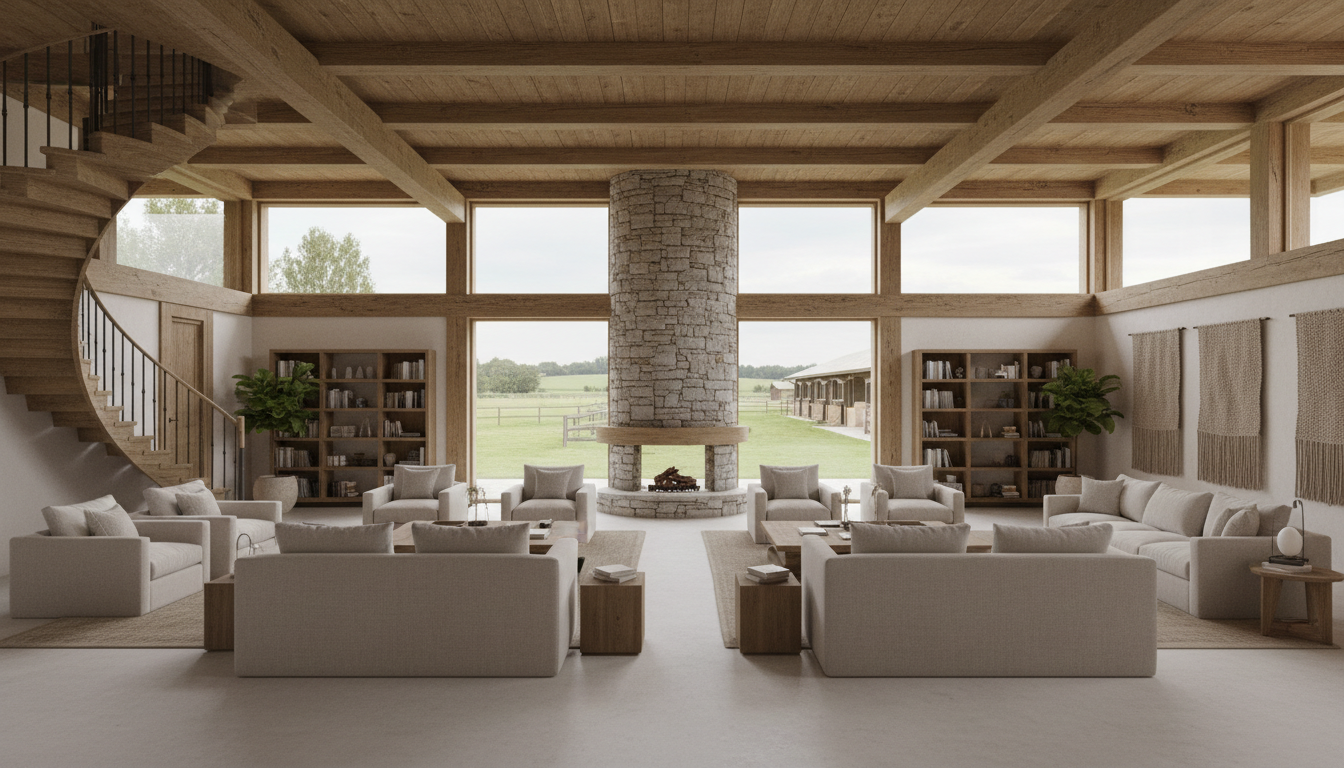
Luxury equestrian properties often include elegant living spaces for owners and guests. Integrating these seamlessly with the equestrian facilities enhances the overall experience.
Technology Integration
Smart systems for lighting, security, and climate control can be incorporated into the design to improve efficiency and comfort.
By thoughtfully combining these elements, the online equine residence becomes a comprehensive, functional, and beautiful space.
Bringing Your Vision to Life with Online Equine Residence Design
One of the most exciting aspects of working with digital tools is the ability to collaborate closely with clients. I encourage open dialogue and iterative design processes, where ideas evolve naturally.
For example, a client might want a stable that reflects traditional European architecture but with modern amenities. Using digital renderings, we can blend rustic textures with sleek finishes to show how the final product will look and feel.
Practical Tips for Designing Your Digital Equestrian Property
If you are considering creating a digital equestrian property design, here are some actionable recommendations to keep in mind:
- Start with a clear brief: Define your priorities, from horse care needs to aesthetic preferences.
- Consider future expansion: Plan spaces that can adapt as your equestrian activities grow.
- Focus on sustainability: Use eco-friendly materials and energy-efficient systems.
- Prioritize horse welfare: Ensure ventilation, lighting, and flooring meet the highest standards.
- Incorporate expert advice: Consult veterinarians, trainers, and stable managers during the design phase.
- Leverage technology: Use digital tools to visualize and refine your design before construction.
By following these steps, we can create a property that is not only beautiful but also practical and enduring.
Elevating Luxury Equestrian Living Through Thoughtful Design
Designing an online equine residence is more than just creating a place for horses; it is about crafting a lifestyle. Every detail, from the layout of the paddocks to the finishes in the living quarters, contributes to an atmosphere of elegance and comfort.
I find that the best designs are those that tell a story - a story of harmony between nature, architecture, and the equestrian way of life. With digital equestrian property design, this story unfolds clearly and beautifully, allowing clients to experience their dream property long before it exists in reality.
If you are ready to embark on this journey, embracing digital design tools will empower you to create a sophisticated, personalized equestrian estate that stands the test of time. Together, we can transform your vision into a stunning, functional reality that honors both the horses and the people who cherish them.
Designing World-Class Equestrian Stables: Luxury Stable Design Planning
Creating a world-class equestrian stable is more than just building a shelter for horses. It is about crafting a sanctuary that blends functionality, comfort, and elegance. When I think about luxury stable design planning, I envision a space where every detail reflects care, sophistication, and a deep understanding of equine needs. From the layout to the materials, lighting, and ventilation, each element plays a crucial role in ensuring the well-being of the horses and the convenience of their caretakers.
Designing such a facility requires a thoughtful approach, balancing aesthetics with practicality. In this post, I will share insights and practical tips to help you envision and create an equestrian stable that stands out as a masterpiece of design and utility.
The Essentials of Luxury Stable Design Planning
Luxury stable design planning starts with a clear vision. You want a space that not only looks stunning but also supports your horses' health and happiness. Here are some foundational aspects to consider:
- Stable Layout: The layout should promote easy movement for horses and staff. Wide aisles, well-placed doors, and separate zones for grooming, tack, and feed storage make daily routines smoother.
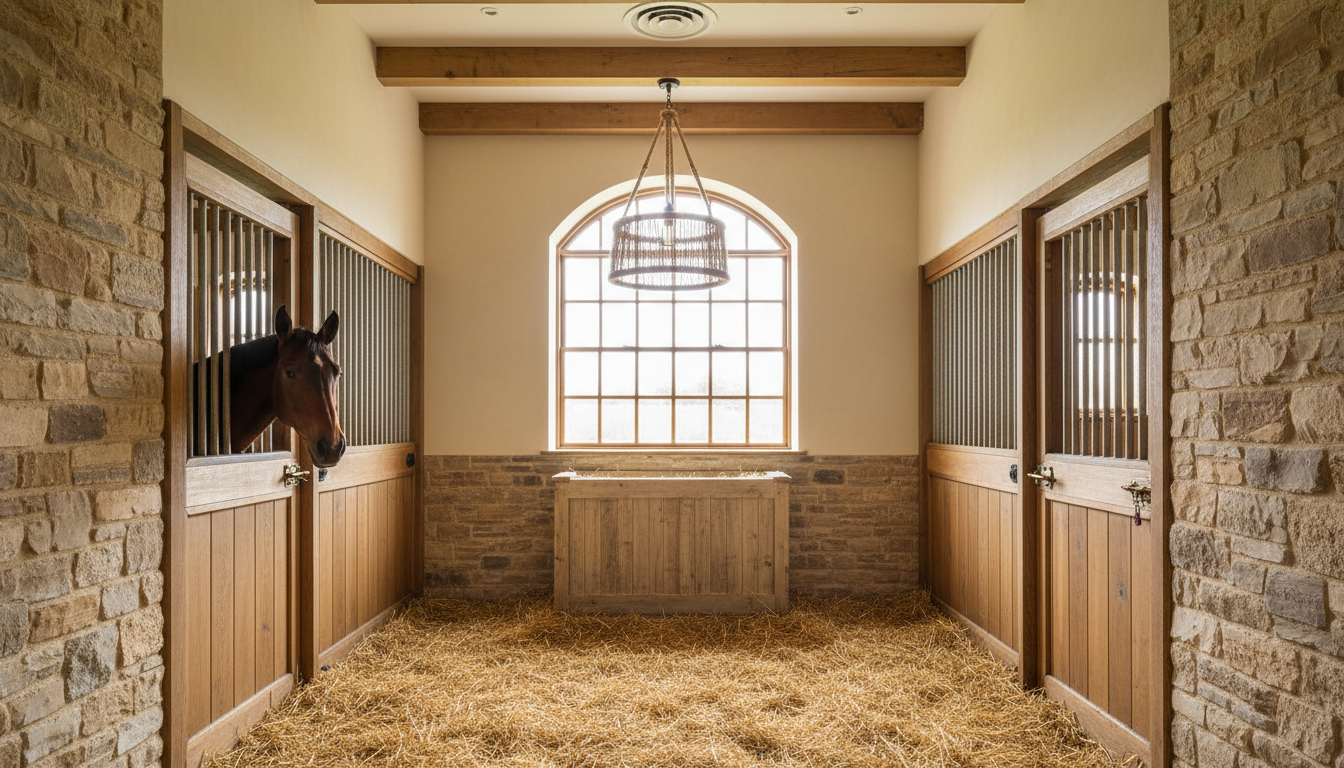
- Stall Size and Comfort: Spacious stalls (minimum 12x12 feet) with good drainage and soft bedding ensure horses feel comfortable and secure.
- Ventilation and Lighting: Natural light and fresh air reduce respiratory issues and create a pleasant environment. Large windows, skylights, and adjustable vents are essential.
- Materials: Use durable, non-toxic materials that are easy to clean and maintain. Wood, stone, and high-quality metal fittings combine beauty with longevity.
- Safety Features: Rounded edges, secure latches, and non-slip flooring protect horses and handlers alike.
By focusing on these essentials, you lay the groundwork for a stable that is both luxurious and highly functional.
Integrating Style and Function in Luxury Stable Design Planning
Luxury stable design planning is about marrying style with function. The best stables are not just practical; they are also visually stunning and harmonious with their surroundings. Here’s how to achieve that balance:
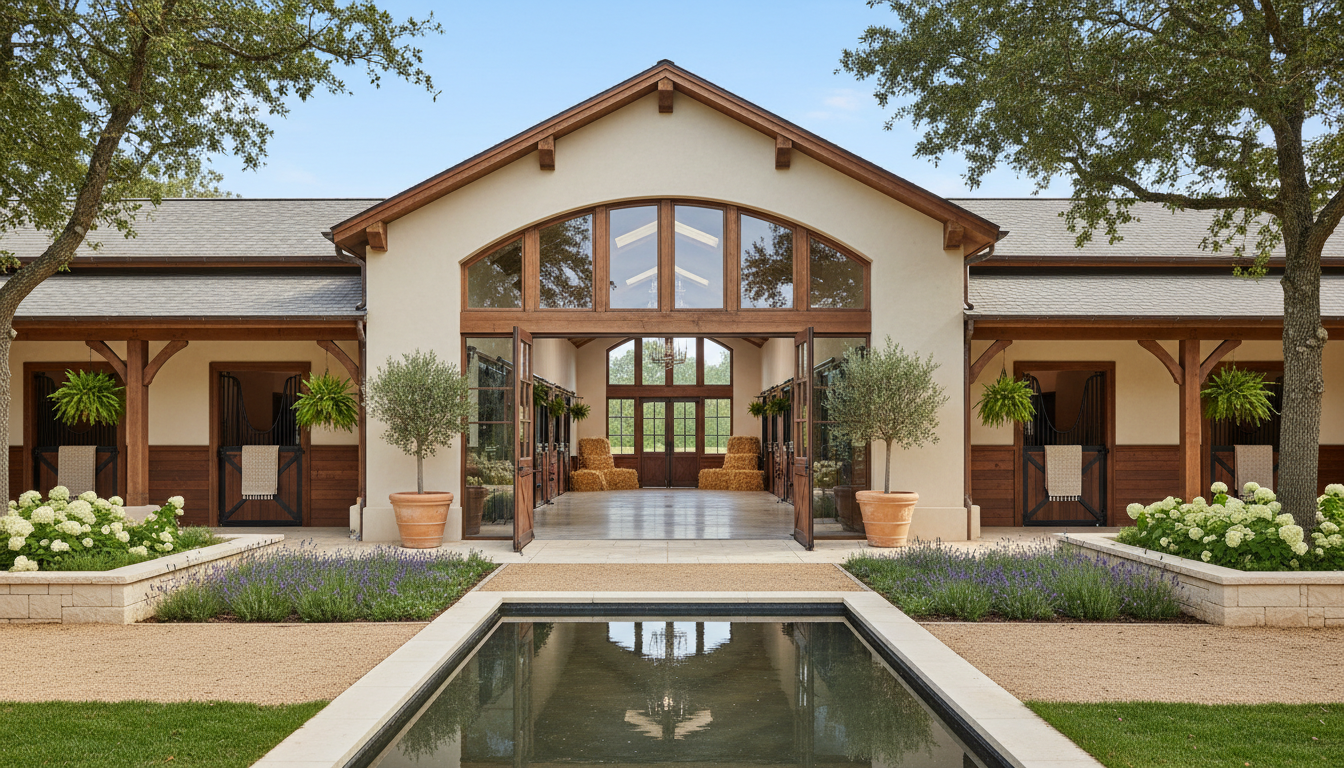
- Architectural Harmony: Choose a design that complements the main residence or the natural landscape. Whether it’s a classic barn style or a modern minimalist structure, consistency in design language elevates the entire property.
- Custom Features: Incorporate bespoke elements like handcrafted doors, elegant ironwork, or personalized nameplates for each stall. These details add character and exclusivity.
- Comfort for Humans: Don’t forget the caretakers. Comfortable tack rooms, lounge areas, and offices with stylish yet durable furnishings make the stable a welcoming place for everyone.
- Landscaping: Thoughtful landscaping around the stable enhances curb appeal and provides shaded areas for horses to relax outdoors.
Working with Equineresidences.com can help you realize these design goals. Their expertise ensures that every aesthetic choice also serves a practical purpose.
Designing for Horse Health and Well-being
The heart of any equestrian stable is the horses themselves. Their health and well-being must be the top priority in your design. Here are some key considerations:
- Natural Ventilation: Horses thrive in environments with fresh air circulation. Cross-ventilation reduces humidity and ammonia buildup from waste.
- Lighting: Horses benefit from natural light cycles. Large windows and skylights help maintain their circadian rhythms.
- Flooring: Use materials that provide cushioning and reduce joint stress. Rubber mats or well-maintained dirt floors with proper drainage are ideal.
- Isolation and Quarantine Areas: Designate spaces for sick or new horses to prevent the spread of illness.
- Exercise Facilities: Include adjacent arenas or paddocks for daily exercise, which is vital for physical and mental health.
By prioritizing these elements, you create a stable environment that supports longevity and vitality for your horses.
Practical Tips for Efficient Stable Management
A beautifully designed stable is only as good as its day-to-day functionality. Here are some practical tips to ensure your luxury stable runs smoothly:
- Efficient Workflow: Plan the stable layout to minimize walking distances between feed storage, stalls, and grooming areas.
- Storage Solutions: Ample, organized storage for feed, tack, and equipment keeps the stable tidy and safe.
- Water Access: Automatic waterers in stalls and easy access to outdoor water sources save time and ensure hydration.
- Waste Management: Designate areas for manure storage and composting, with easy access for removal trucks.
- Technology Integration: Consider smart stable systems for lighting, temperature control, and security monitoring.
These practical measures enhance the daily experience for both horses and staff, making the stable a well-oiled machine.
Creating a Timeless Equestrian Sanctuary
Designing world-class equestrian stables is a journey of passion and precision. It’s about creating a timeless sanctuary where horses feel cherished, and owners take pride. Every decision, from the grand architectural strokes to the smallest finishing touches, contributes to a space that is both luxurious and deeply functional.
If you are embarking on this exciting project, I encourage you to collaborate with professionals who understand the unique demands of equestrian properties. At Equineresidences.com, we can guide you through the complexities of design and construction, ensuring your vision becomes a reality.
Investing in thoughtful luxury stable design planning is an investment in the future - a future where elegance meets practicality, and where your equestrian dreams come to life.
I hope these insights inspire you to create a stable that is not only a shelter but a statement of care, style, and excellence. The journey to designing world-class equestrian stables is as rewarding as the final masterpiece itself.
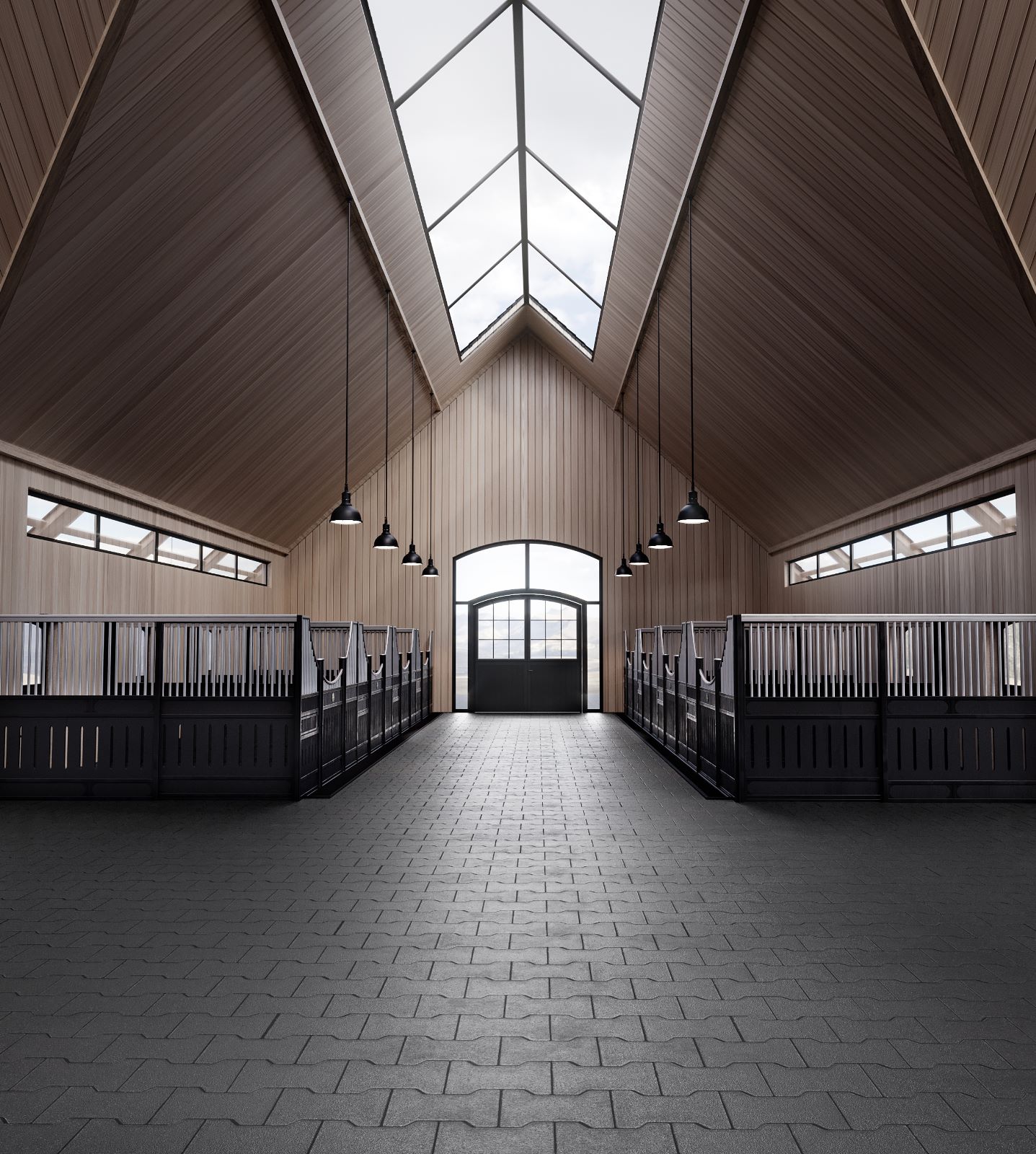
The European Platform for Equine Residences
Combining my passion for horses with my expertise in design, I'm now consulting Equine Residences on their European projects. This role allows me to seamlessly integrate my love for equestrian life into my design work, ensuring that each project meets and exceeds our European clients' needs and tastes. It's gratifying to create spaces reflecting the unique bond between horses and their owners, while embracing the elegance and functionality that define European design.
Equine Residences’ priority is to bring mindfulness, health, joy, quality, and value to your project. We stand by our designs to create a space that is functional, comfortable, and worth the effort it took to get it done. We love to find creative ways to bring secondary uses to the space and make every project a financial benefit, rather than an economic drain. Equine Residences cares as much about creating value for our customers as we do in creating great spaces.
Equine Residences is a full-service equine facilities design firm. We partner with clients early on to assist in finding the perfect property, conduct a thorough site layout, and design the entire stable from the ground up. We have relationships with many vendors in the field and keep our fingers on the pulse of new trends in the equine world. Our services are structured to provide you with the highest quality in the industry while focusing on saving you time, money, and frustration. We oversee the project and work closely with the builder to bring our clients and our shared vision to life.
Equine Residences will collaborate with our team and you to develop site and master plans, along with landscaping and plant plans, to determine the optimal location for your barn and facilities on the property. This is to ensure proper airflow, water efficiency, and the well-being of the horses. Our goal is to maximize the land's potential while being mindful of costs.
Our renderings are detailed to the last beam, door handle and tile. We utilize our renders to give you the ability to "see" what your project will LOOK like upon completion, but also aid the procurement process and quicken the deliverables and scope work for all involved. From us the designers, to the builders and subs, and finally the vendors contracted, our photo-real renderings keep everything on track visually and financially.
New Construction / Renovation / Remodel
From the initial search for or purchase of property to installation and moving-in, Equine Residences makes the process smooth-sailing. We help with the selection of contractors, as well as working through the bidding process. By creating and reviewing plans, coordinating the team, project management, and interior decoration and design, we keep our client's needs at the forefront. We are your representative and will be responsible for specifying fixtures, finishes, hardware, flooring, and palette, as well as designing the stable from top to bottom.
We take pleasure in giving new life to your existing facilities with our expertise and resources. Be it a new tack room or stall fronts/doors/windows, to updated arenas, landscapes, and hardscapes, Equine Residences with our vendor partners will create value and refinement for your barn.
AI Imagery
We utilize AI to inspire our clients quickly and easily. This also eliminates the need to search for random images that may not exist for an equestrian project.
All current AI inspiration is available to be viewed on our Instagram page and is pending Copyright protection via the US government Copyright agency.
1831 anno Farmhouse Project
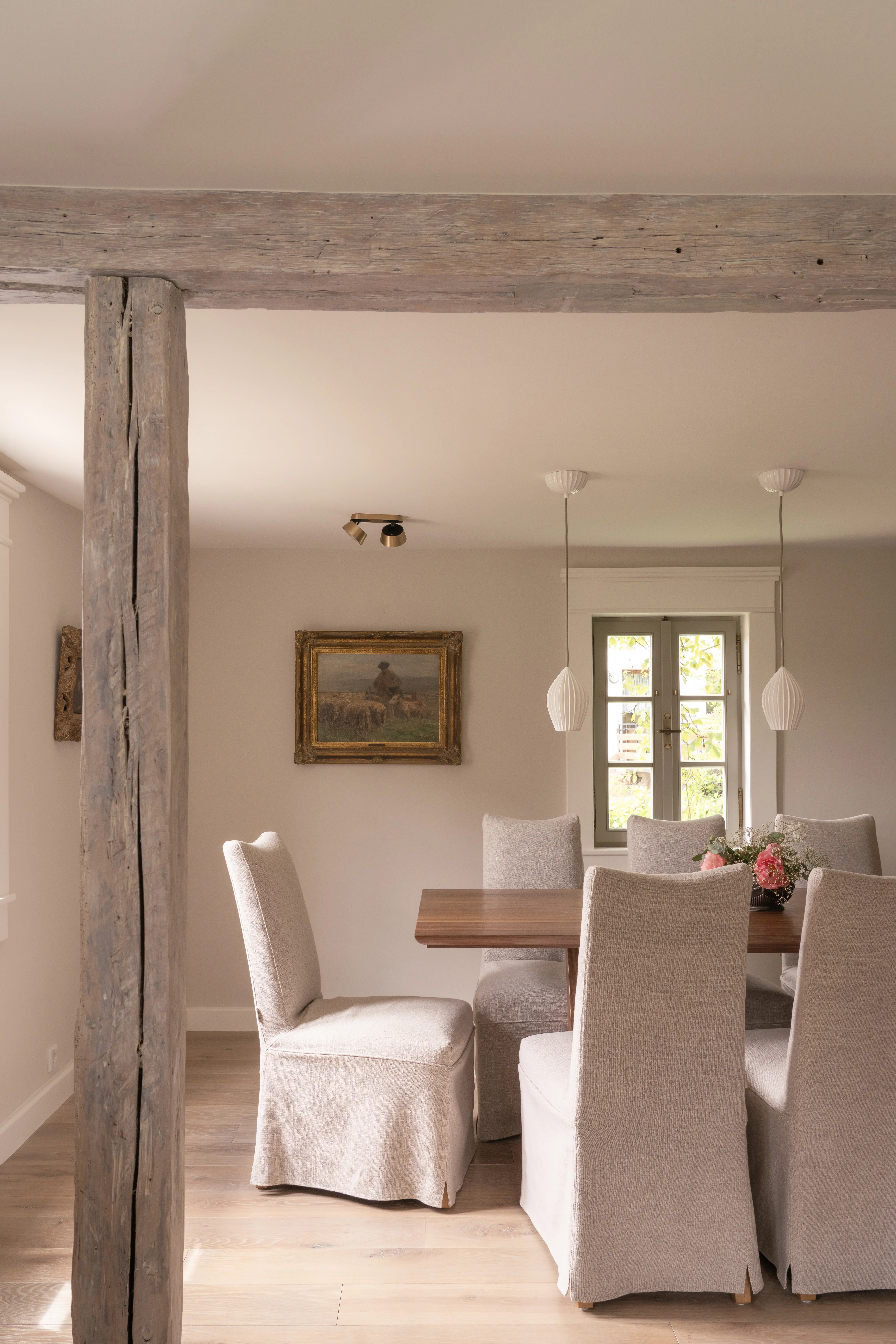
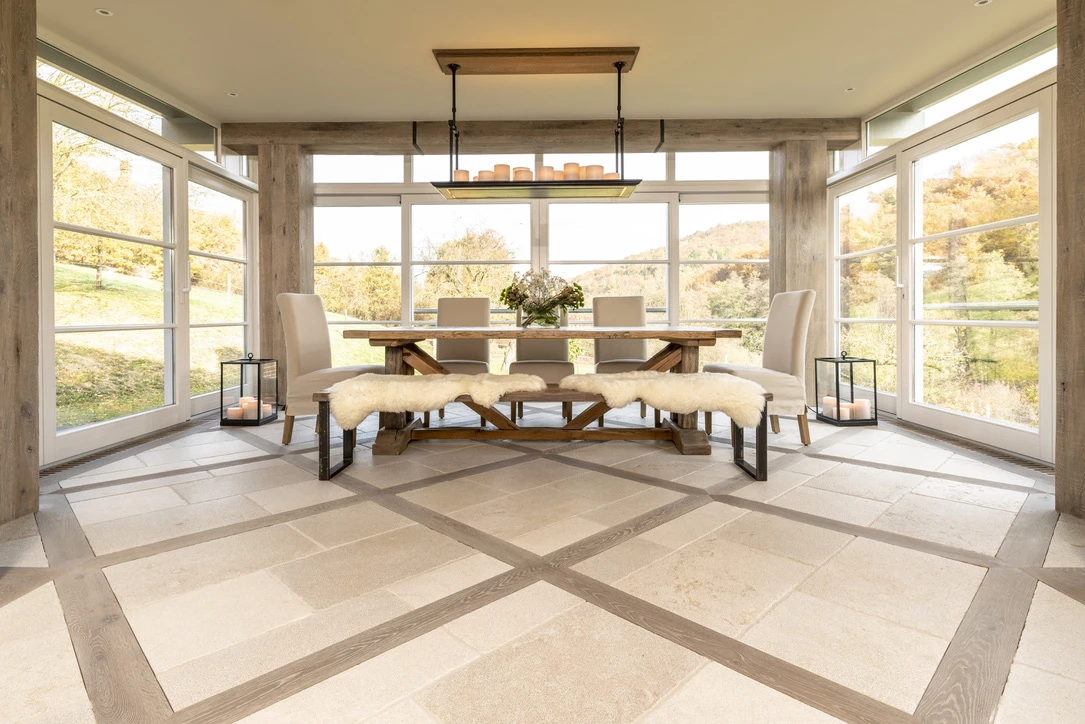
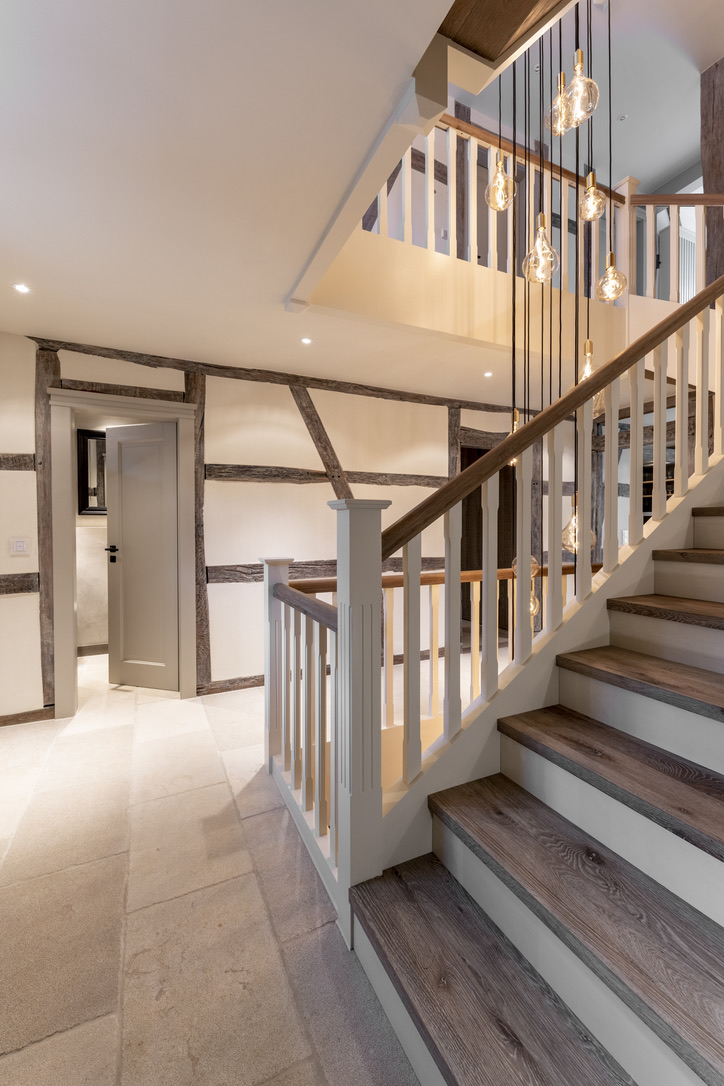
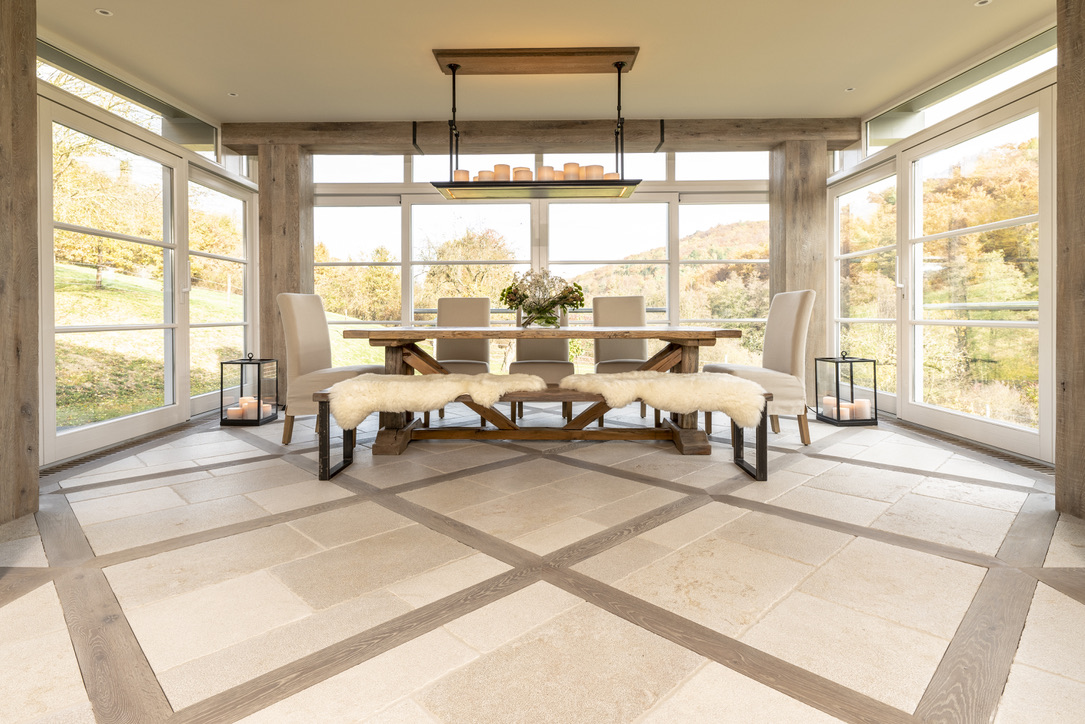
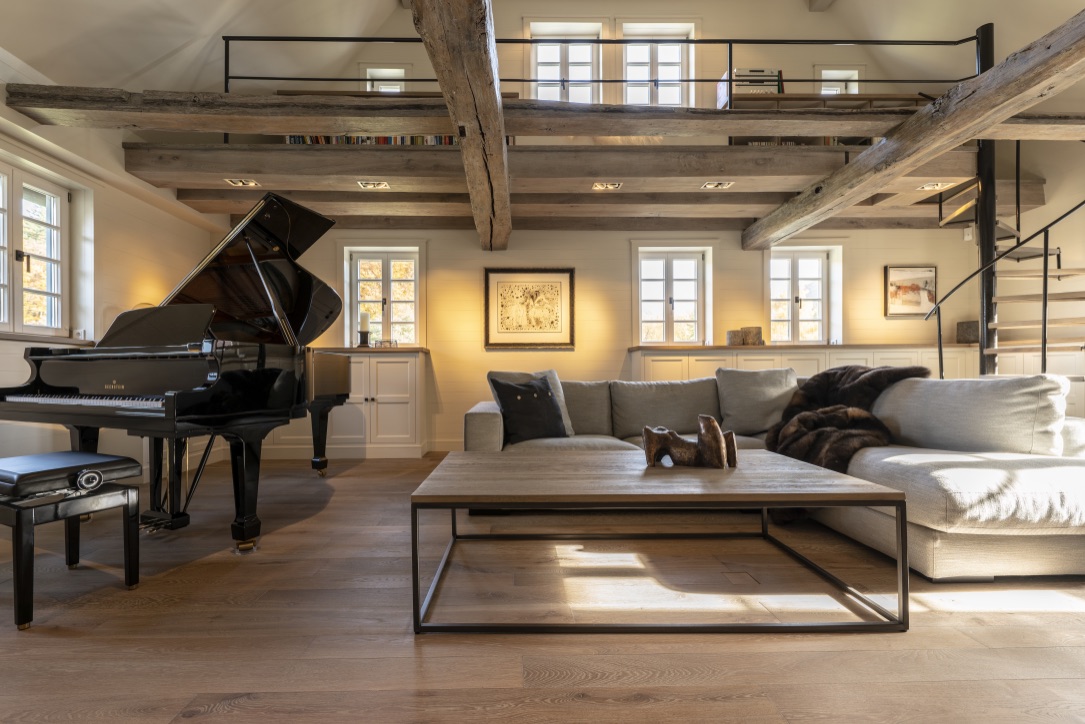
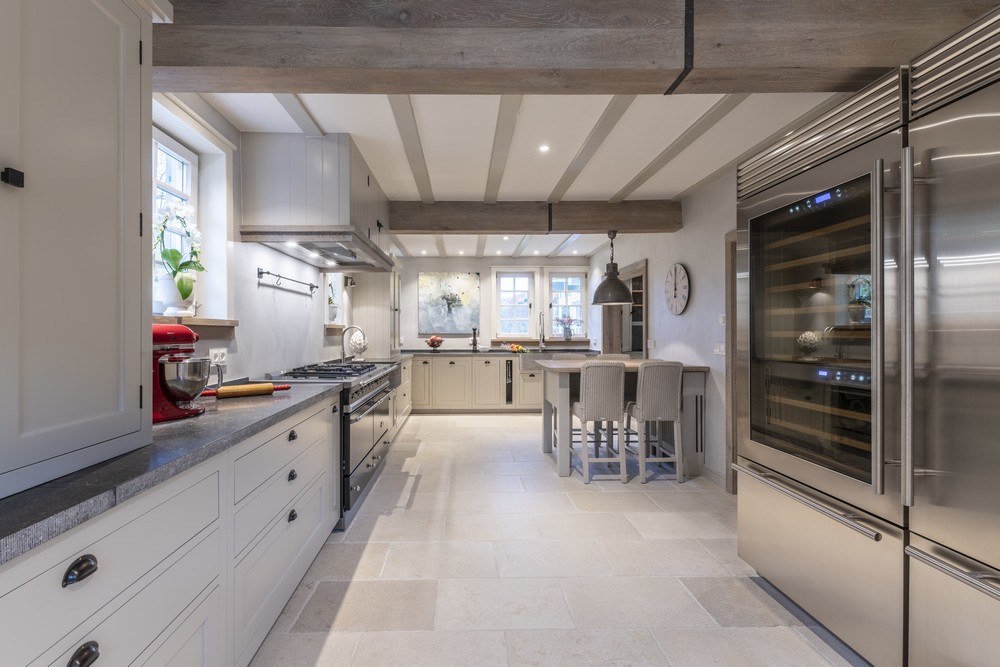
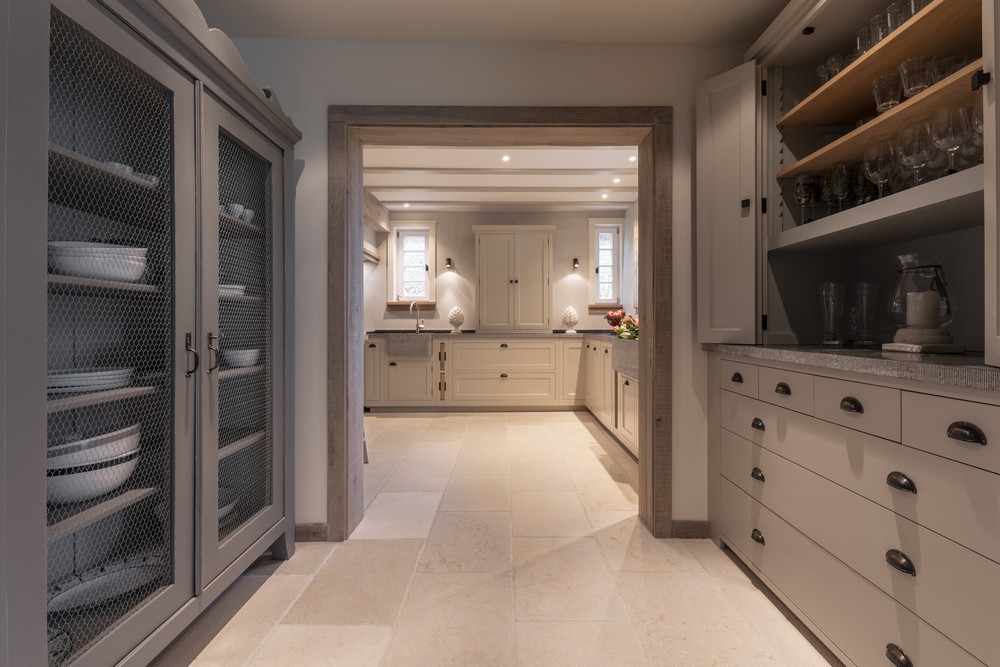
This project is the interior renovation of the 450m2 main house in this 1831 historically preserved “Fachwerk” (timber and beam and clay plaster constructed) farmhouse ensemble set in the rolling hills outside Heidelberg, Germany. The house had been rebuilt 20 years ago from the ground up to replace the rotted timbersand decaying clay plaster, but the interiors left much to be desired. The clients wanted an interior that was durable for the country, elegant yet understated andhad a touch of the Hamptons, using as much ecological materials as possible plus all themodern conveniences of a new home. I chose to modernize the interiors using naturalorganic materials with simple lines, keeping true to the structure.The total interior was gutted to make way for new pipes and electrical. A new stairway in atraditional land house style was rebuilt to replace an ugly metal stairway. A gallery was added in the living room to add space for bookshelves to be reached through a small spiral stairway. All exposed timber was white washed to get rid of the heavy darker oak feeling.Sandblasted French limestone was chosen to use throughout for its durability and give alight elegant feel. Grey washed oak wood flooring was used in the living room and upstairs. I designed a criss-cross pattern using wood planks and limestone in the winter garden toconnect the wood floor in the living room with limestone in the kitchen and front hall. Some walls were finished in shiplap paneling reminiscent of the Hamptons and to add warmth tothe northern walls. All other walls were finished with a new coat of clay plaster and distemper paint. The walls in the bathrooms and kitchen were finished with colored plasterand a durable, water resistant finish or waxed. At night time the winter garden with all its candle lights, is like a beacon in thecountryside calling one home! Old and new are perfectly combined!
Take a more detailed look of this project here.
Feature on Best Design Projects
Jannet Butzinger's 1831 anno Farmhouse project (see last post for an in depth look), was featured on Best Design Projects. In the article, you will see a glimpse into my inspiration, the design process, as well as how I turned the clients wishes into a reality. Additionally, the article features a variety of beautiful photos from the Project. Read on below for a sneak peak, and click the link for the full article and photos!
Excerpt: Be Inspired By This Luxurious Farmhouse Project! – If you’re looking for inspiration for your southern inspired project you should definitely see the modern interior design from this innovative farmhouse created by Jannet Butzinger! Are you ready to take a look?
Jannet Gibson- Butzinger was the interior designer behind this modern and luxurious farmhouse project. Her style is all about the unpretentious and authentic, charming and graceful,timeless and sophisticated while grasping an essence of modernity.
Click this Link for the full story!
Hotel Bar Design
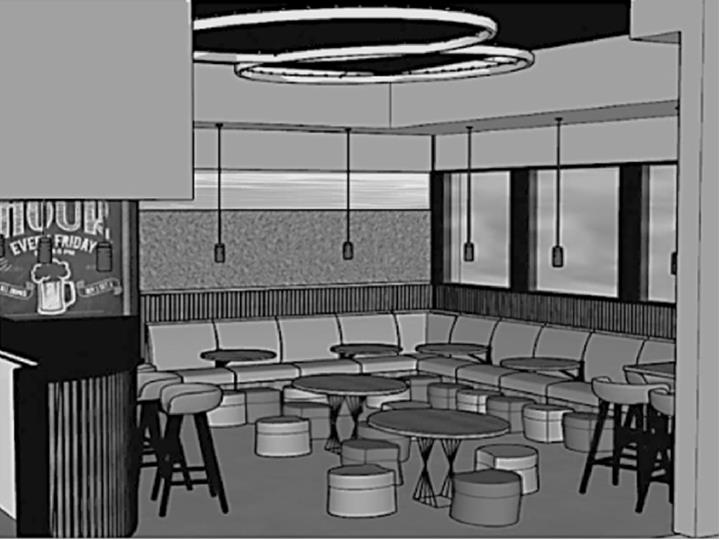
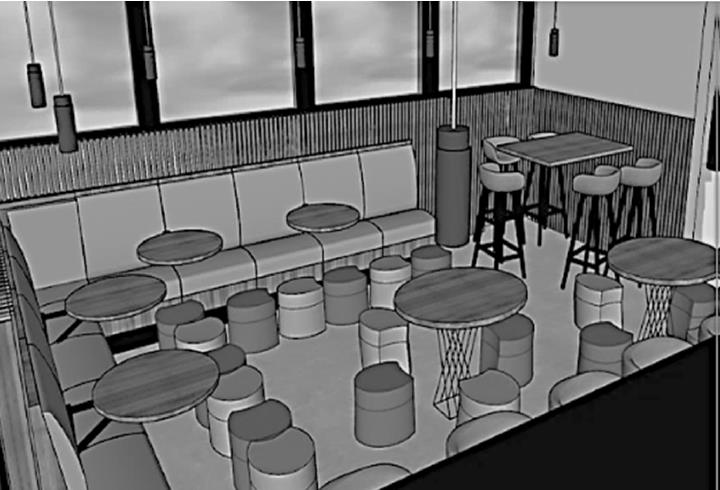
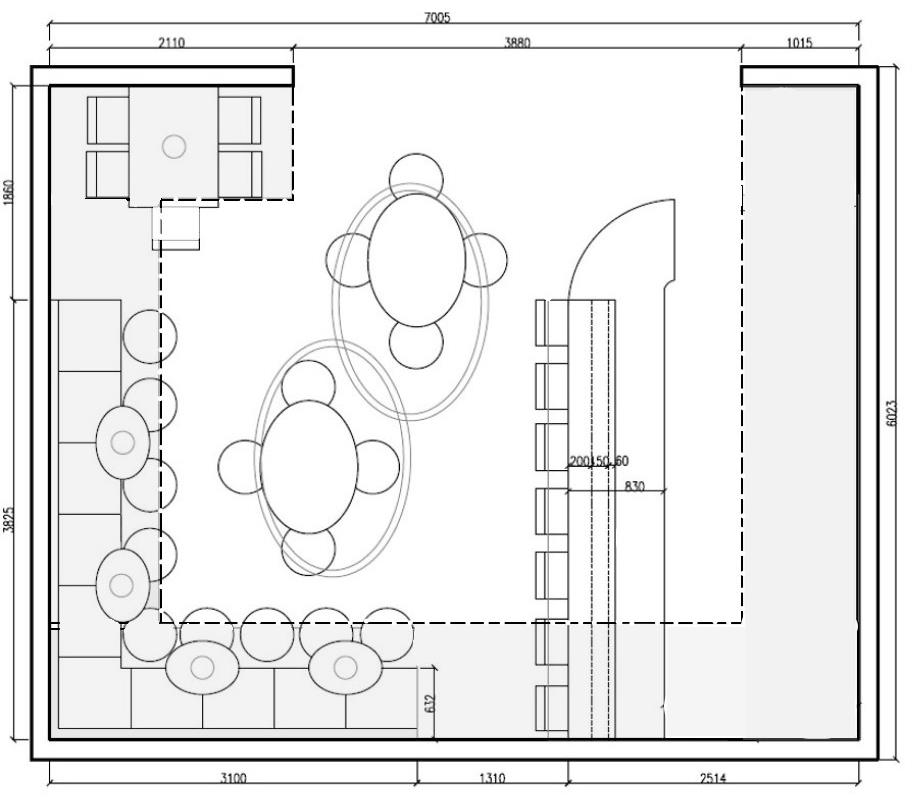
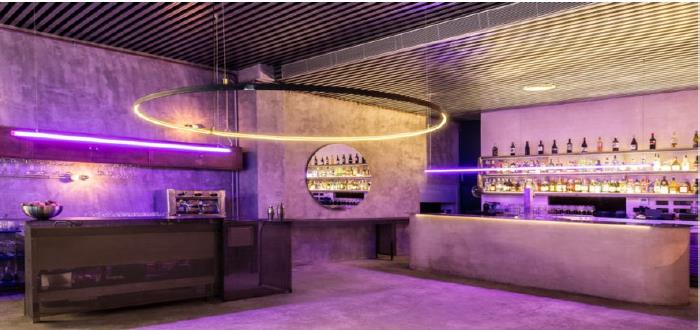
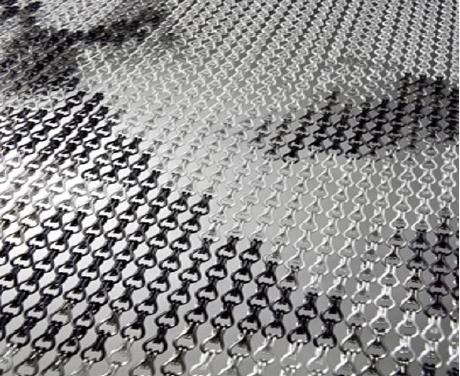
For our Hotel Bar Project, we were asked to renovate an existing Bar/Restaurant space in Stuttgart, Germany. Before, it had a mixture of colors and textures that did not come to a conclusive design aesthetic. However, we wanted to keep some of the color scheme, as it had to compliment the neighboring room, which was to remain the same. The Hotel Bar is located near the airport, so we took that into consideration when planning the space for the customers needs. We wanted it to be a place where people can enjoy a drink at the bar as well as some food, either alone or in a small group. For this, we planned banquet seating along two of the walls as well as two larger tables in the center for a maximum of 4 people, and a Bar height table for 5 guests. As far as lighting, we chose two main lighting features in the center of the room in an oval shape, mirroring the shape of the tables below and pendants for the surrounding smaller tables. For a feature piece, we used a great material which is an intricate chain-link hanging curtain at the entrance to the bar. On the remaining walls, we applied light wooden slats, as well as a greenery feature wall and a tall chalkboard by the bar. The bar itself also has wooden slats. The ceiling was dropped down along the edges of the walls, and above the bar. See the dotted line below on the Floor Plan. We had fun planning this project and implementing interesting wall features and lighting to make this airport bar inviting and interesting!
Wellness Area Design
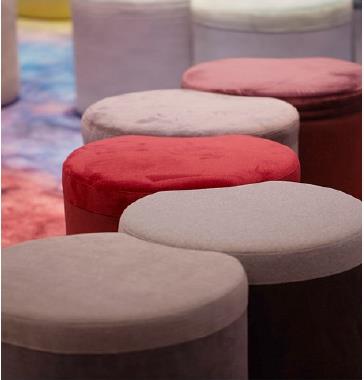
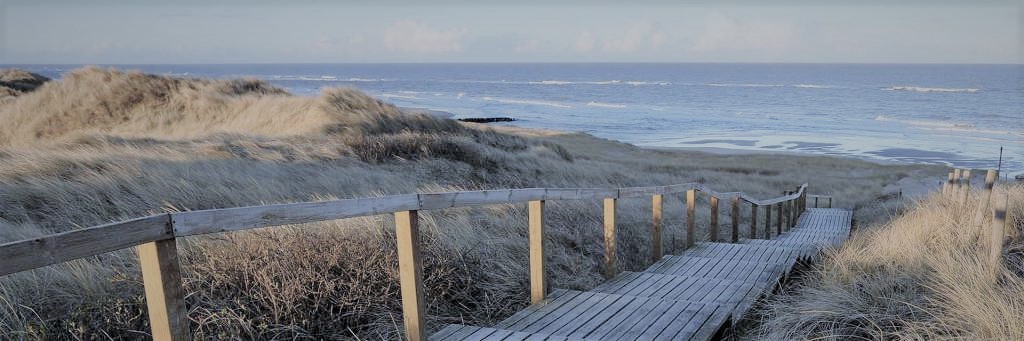
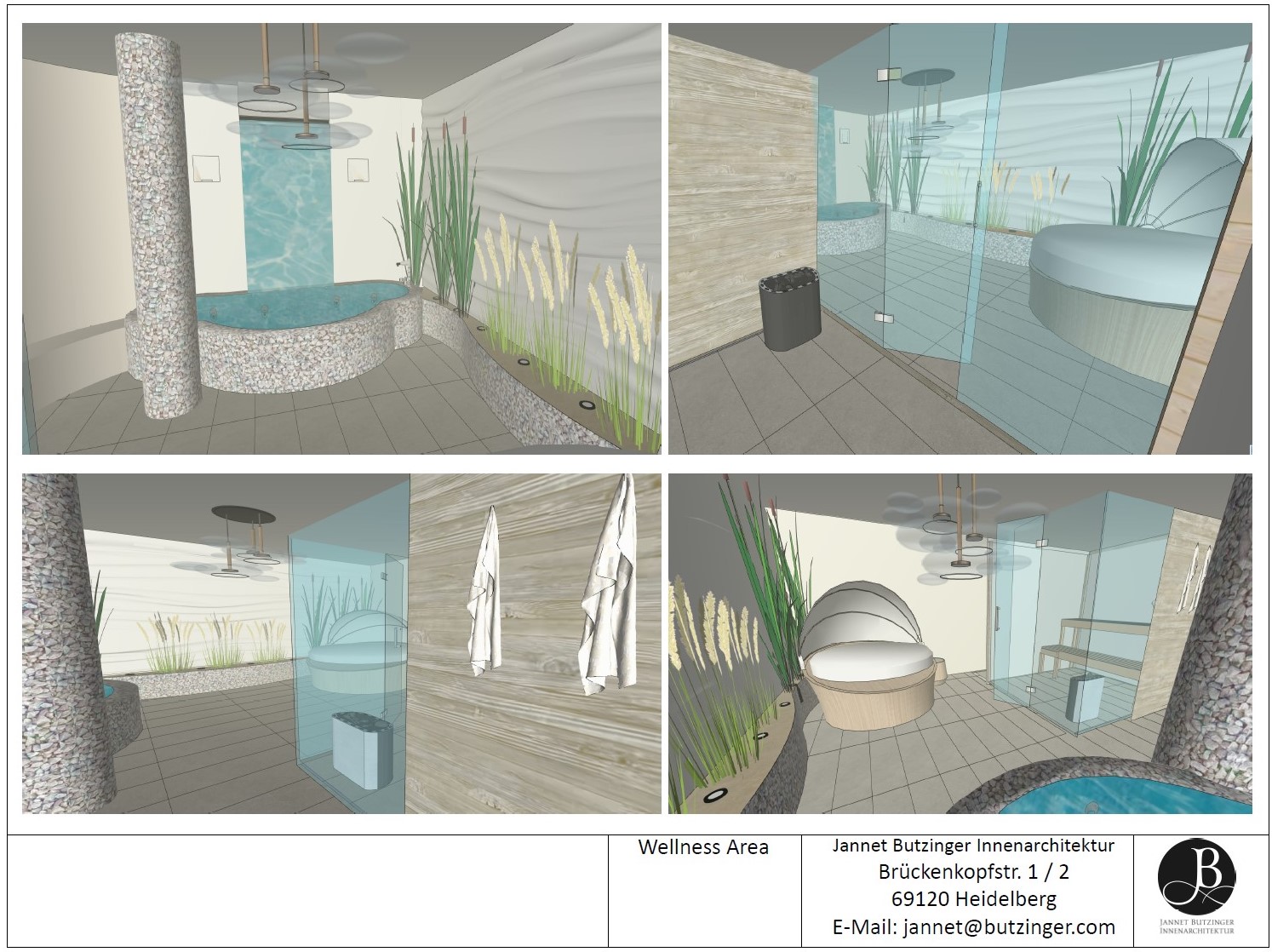
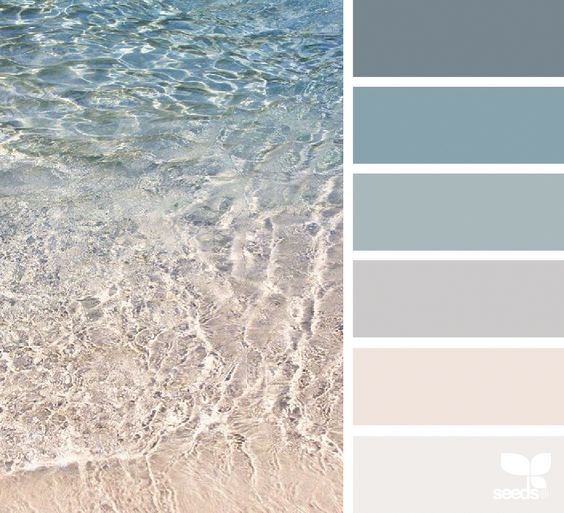
An exciting project we are currently working on is the design of a wellness area for an existing client. Here we had a lot of creative freedom overall, with a few requests from the client which included a sauna and a whirlpool. For our concept we decided to go with colors and materials inspired by Sylt, which is an island in the German north sea. Therefore, the color palette contains beige and blue tones. Inspiration from Sylt can also be found in elements such as our feature wall with a wave like texture as well as the water feature that runs straight into the whirlpool, which seats 4 people. The overall layout of the space can be seen below in the furniture floor plan.
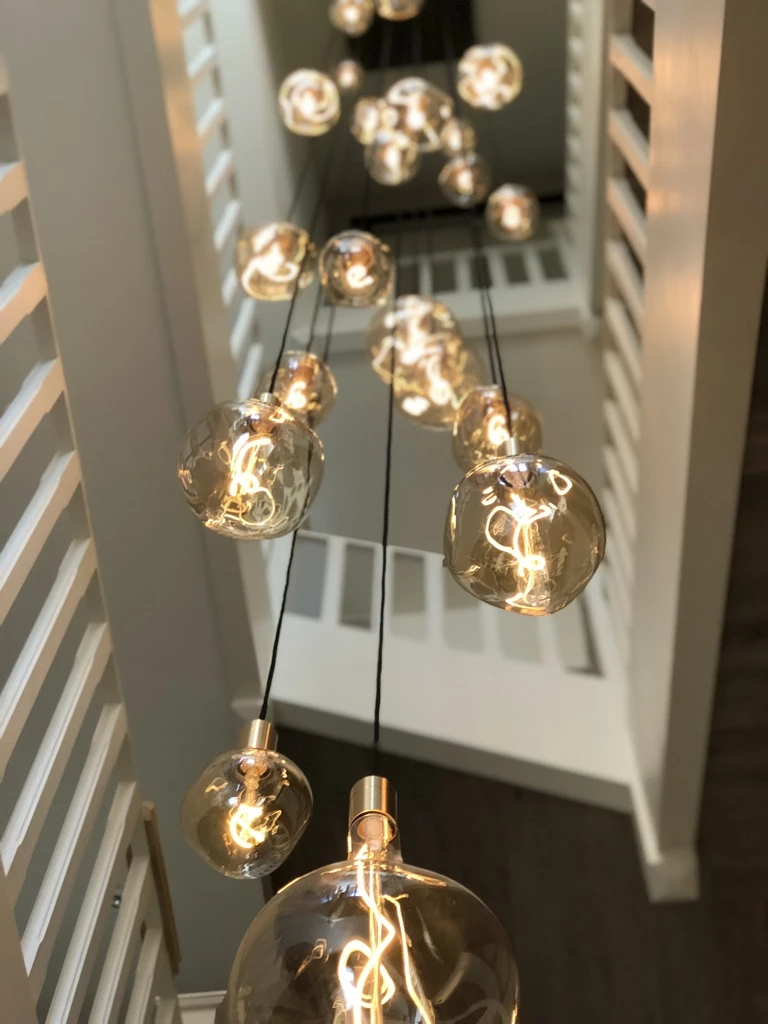
Upon entering the space, you have the Whirlpool on the left hand side along the wave wall. To your immediate right is the bathroom, which includes a shower. Around the corner, you will find the Sauna, which has a glass front, allowing the client to see the rest of the space while enjoying the sauna. The client is also able to wind down and relax on the round lounge seating with a canopy, with a view of the whirlpool and water feature. For the lighting, we decided to go with a fixture that closely resembles bubbles, bringing in more of the water like qualities. We also included some spot lighting along the wave wall, interspersed between foliage common to the north sea. Wouldn't you love spending time here after a long day at work?
EVERY HOME BEGINS
WITH A STORY
...tell me about yours
Or give us a call at +49 173 342 3970